Building End-of-Life Recovery into Energy Infrastructure
The CEI Platform
- CEI builds circularity into energy infrastructure. Through R&D, partnerships and open standards development, the end-of-life obligations of energy assets are structured and secured years or decades before they become a liability.
- The platform helps energy companies plan end-of-life recovery, and its financing, from the start of an asset's life. Permitting, engineering, finance and end-of-life planning are treated as one discipline, so that recovery and reuse are settled before an asset is built.
- CEI brings together engineering, financial, insurance and legal expertise, drawing on outside specialists where its work requires them, to make every stage of an asset's lifecycle secure and predictable for all stakeholders.
End-of-life Handling
End-of-life handling remains one of the most overlooked aspects of the energy transition, and it is CEI’s core focus. Infrastructure that is not designed for responsible, minimal-harm removal at end of life cannot credibly support circularity.
CEI is designed to set the recovery pathway at the start of an asset’s life, through agreements with developers and asset owners, and to keep a record of its materials, ownership, location, expected end of life and likely recovery routes while the asset operates. An asset brought under such an agreement stops being only a future decommissioning obligation and becomes a future material stream.
That shift changes who carries the risk, and when. The owner knows the cost of recovery before the asset is built, and lenders and insurers can price that cost instead of treating it as an unknown. Buyers of recovered steel, concrete and other materials can plan decades in advance, and the land returns to use once the asset comes down.
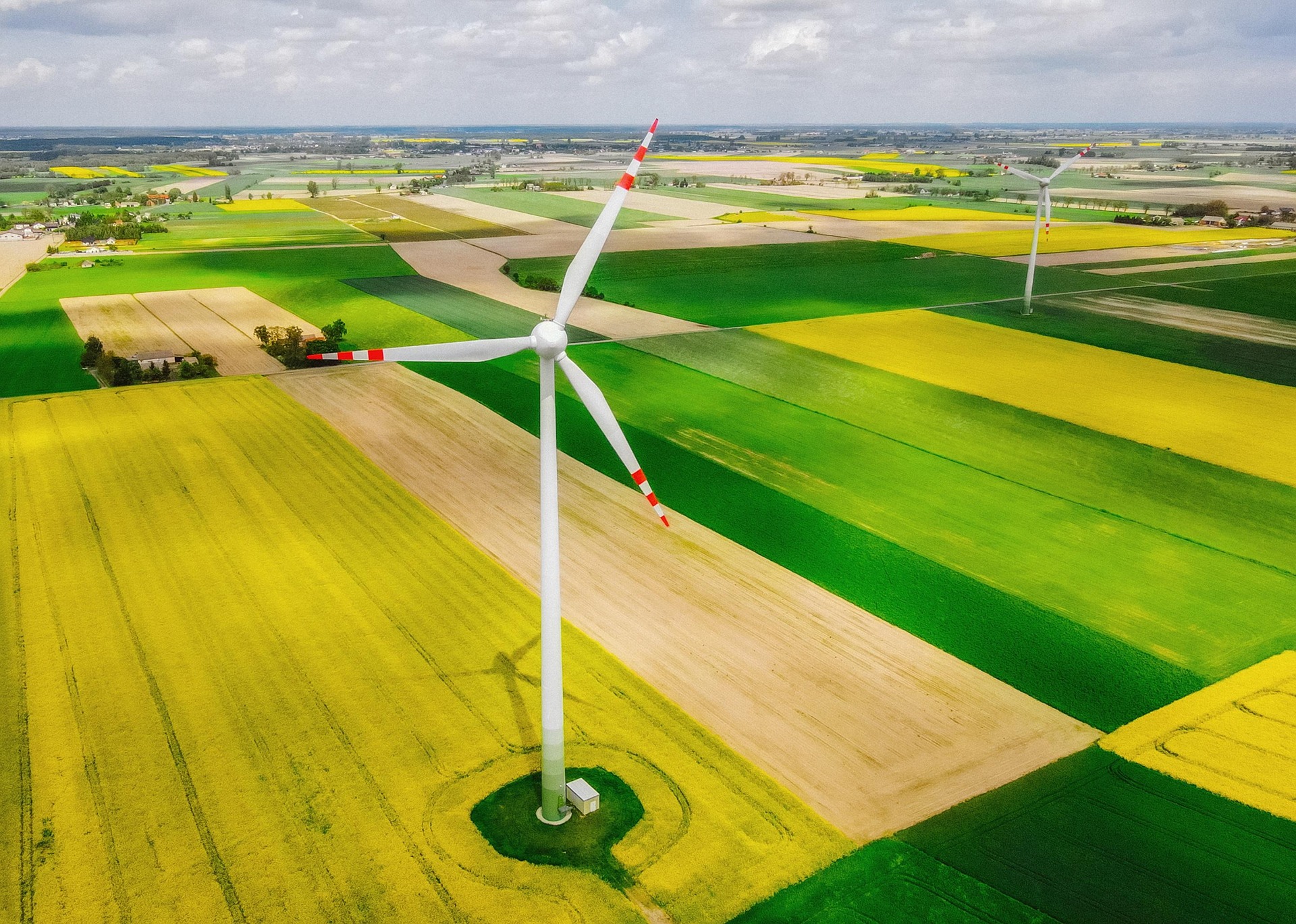
Continuity by design
An energy asset can outlive every company involved with it, CEI included, and the model is built for that. Asset records sit in an independent, bankruptcy-remote data trust. Recovery funds are held in escrow tied to the site, not to its owner. If any party fails, an administrative steward can step in and complete the recovery.
Connect Now
Briefings and supporting documentation are available on request.
Latest News
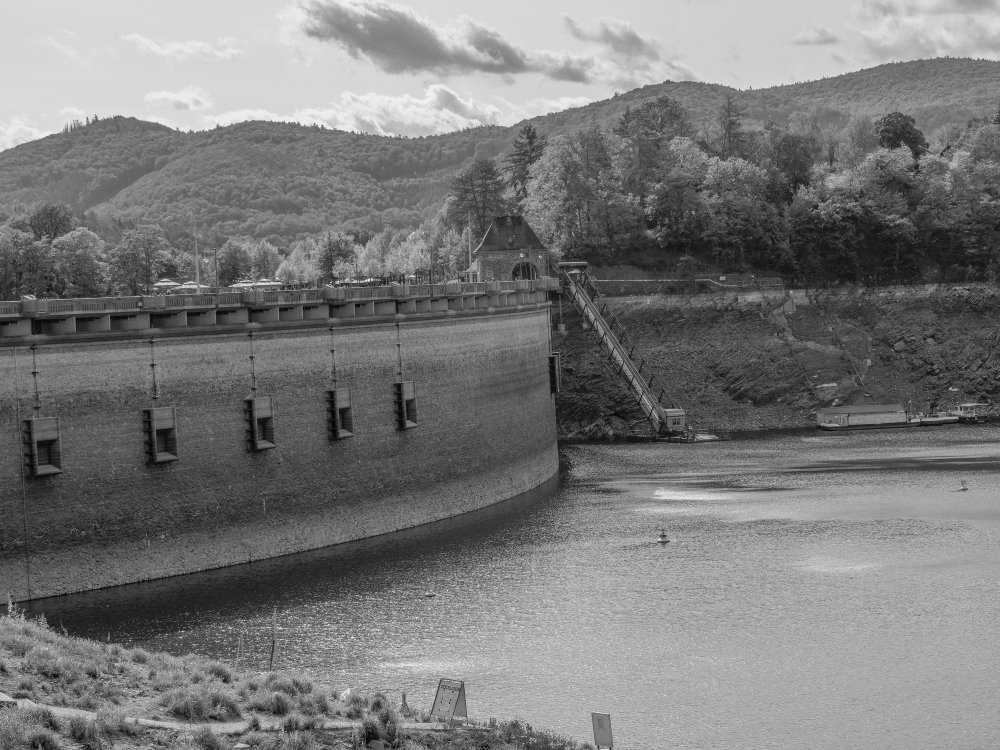
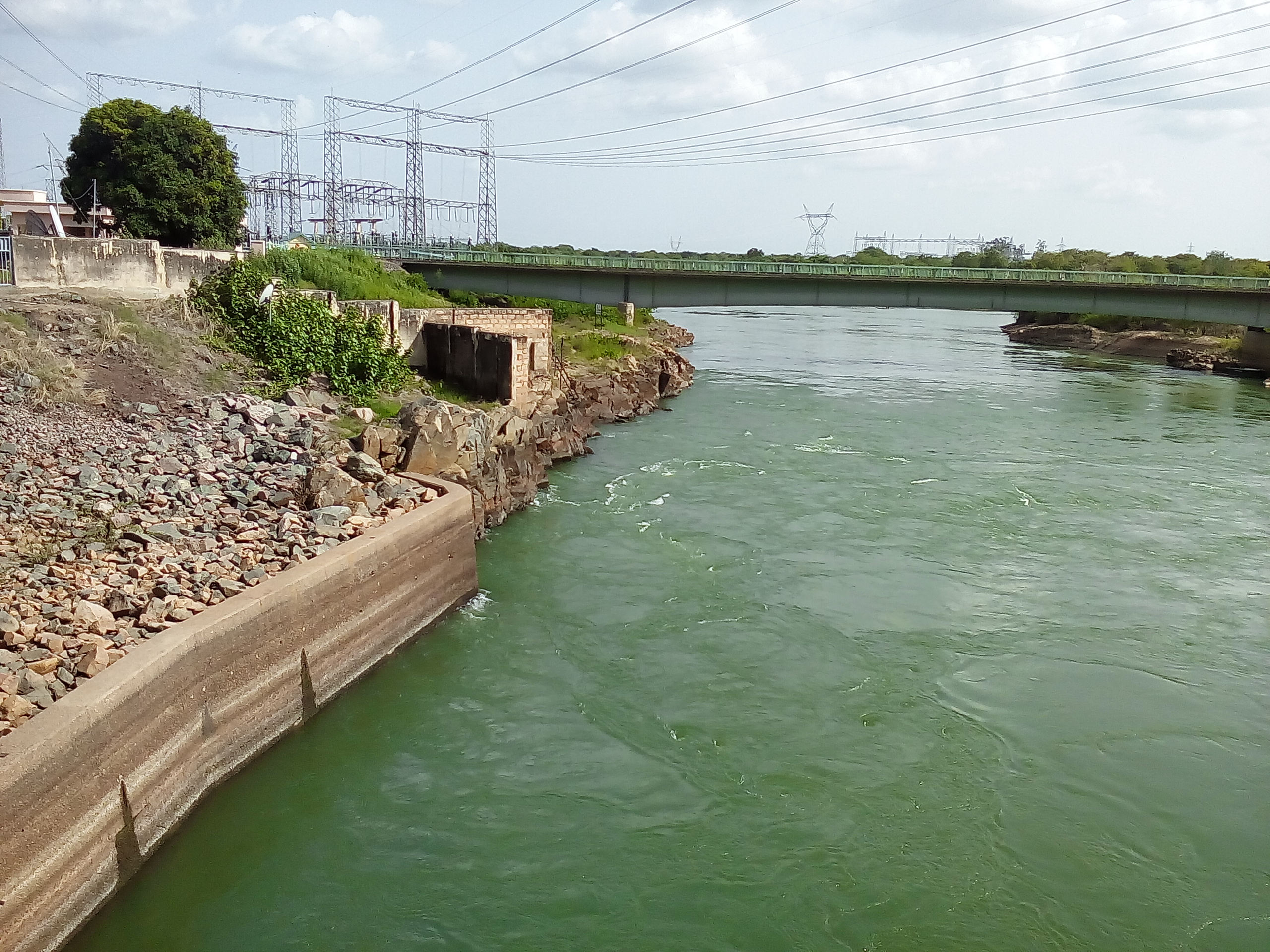
A domain report on the four large hydropower plants in Nigeria sets out the facts for each plant and the routes open to it at the end of its life, and it is available on request.
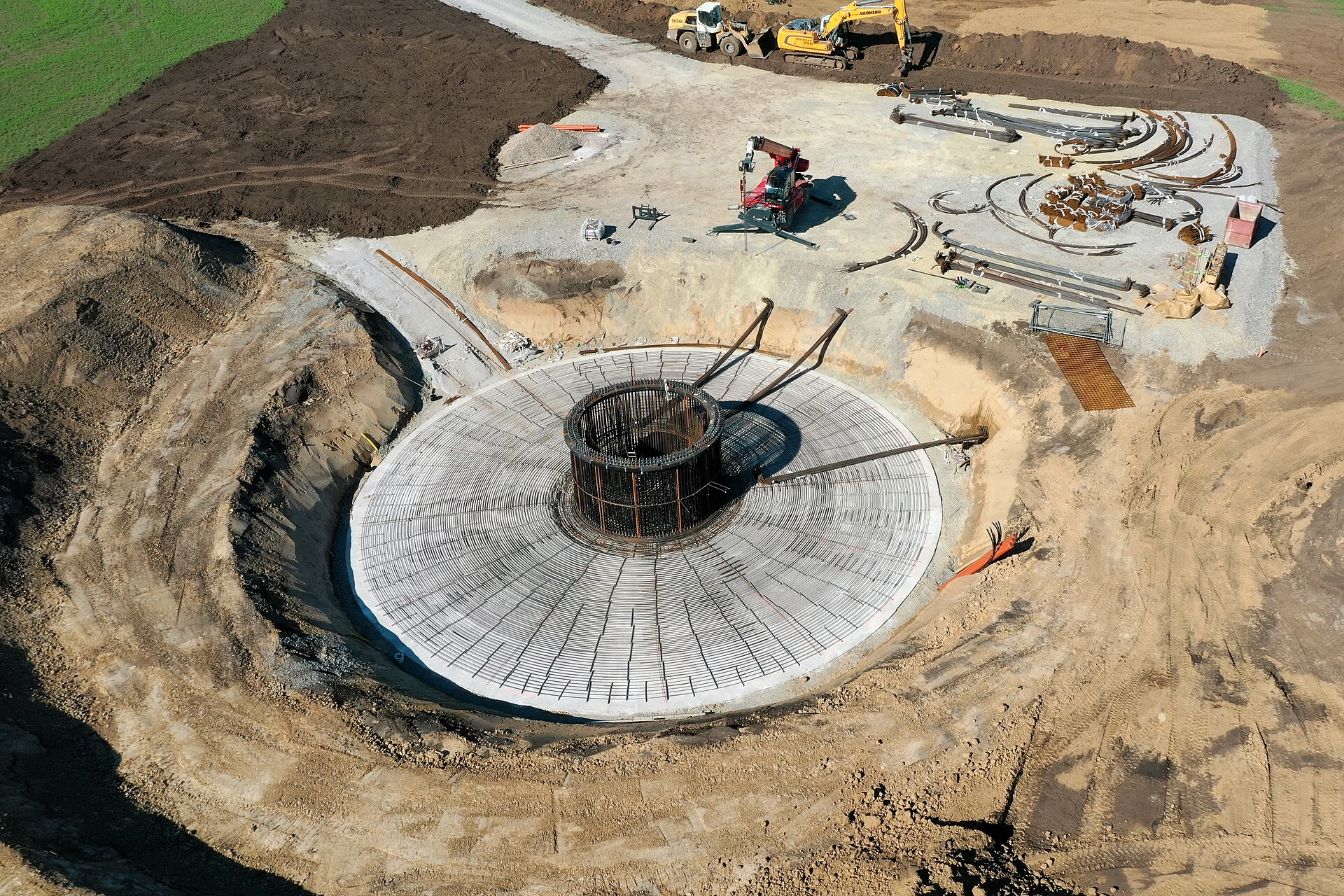
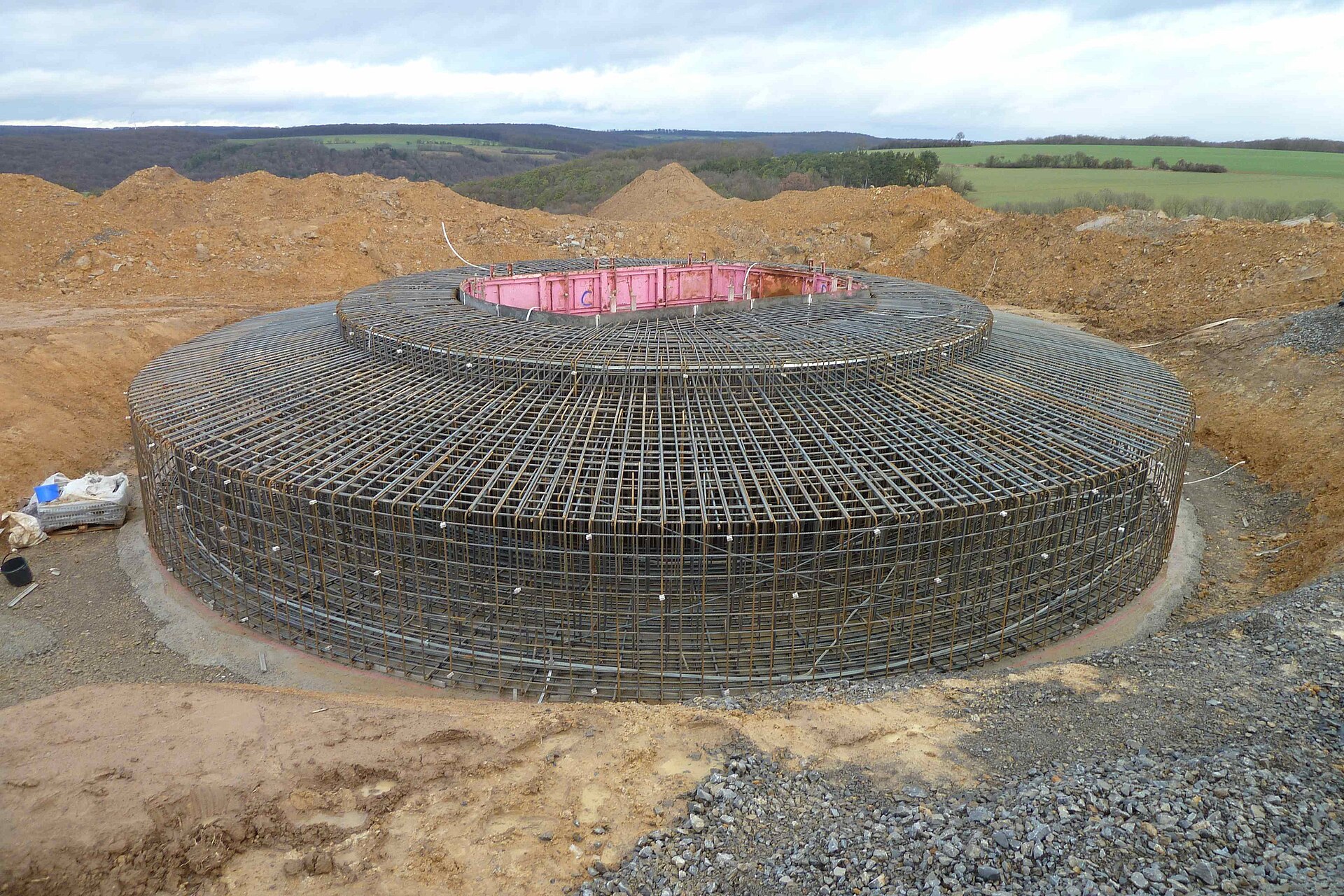
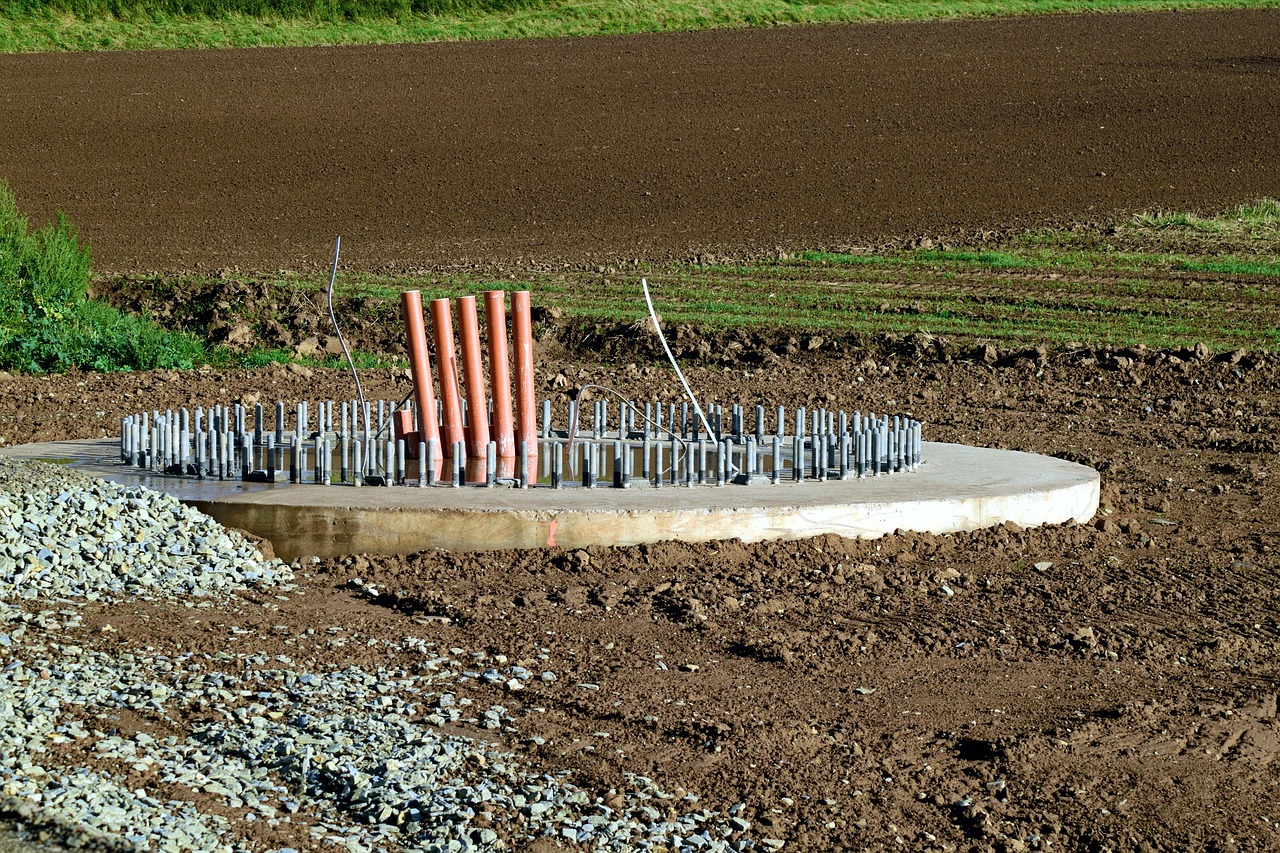
Domain Report 1.1 measures the material, land and carbon at stake if onshore wind foundations keep being left in the ground, and it is available on request.
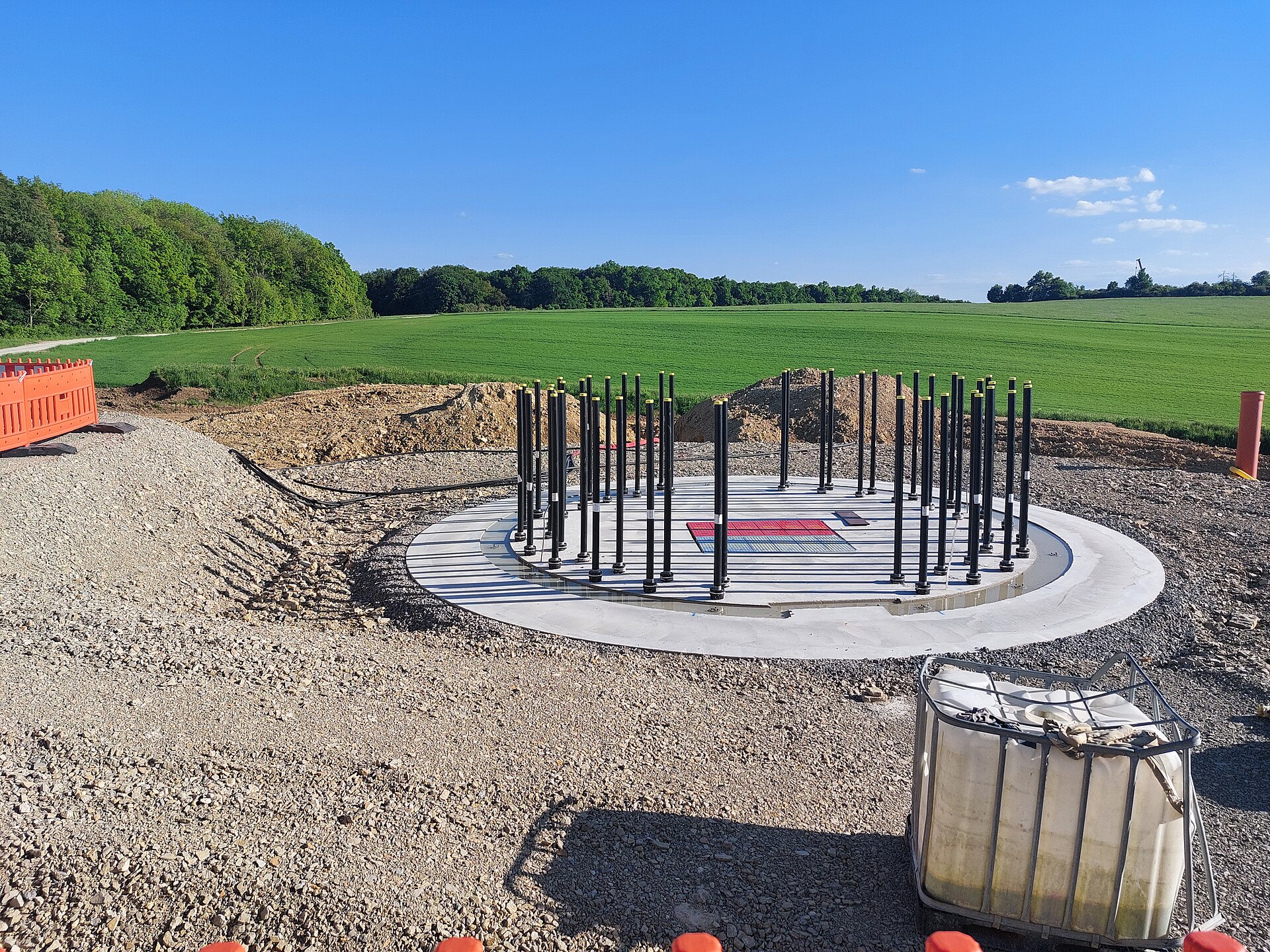
Updated protocols for onshore and offshore wind foundations set requirements for reusing foundations across turbine generations, and for the machinery and pollution involved in removing them.
A new protocol in the onshore wind standards requires turbine makers to declare the materials in each major component, from the blades to the tower. Any claim about how much of a turbine can be recycled has to name the recovery route for each material, and only routes already in industrial use count.
Insights
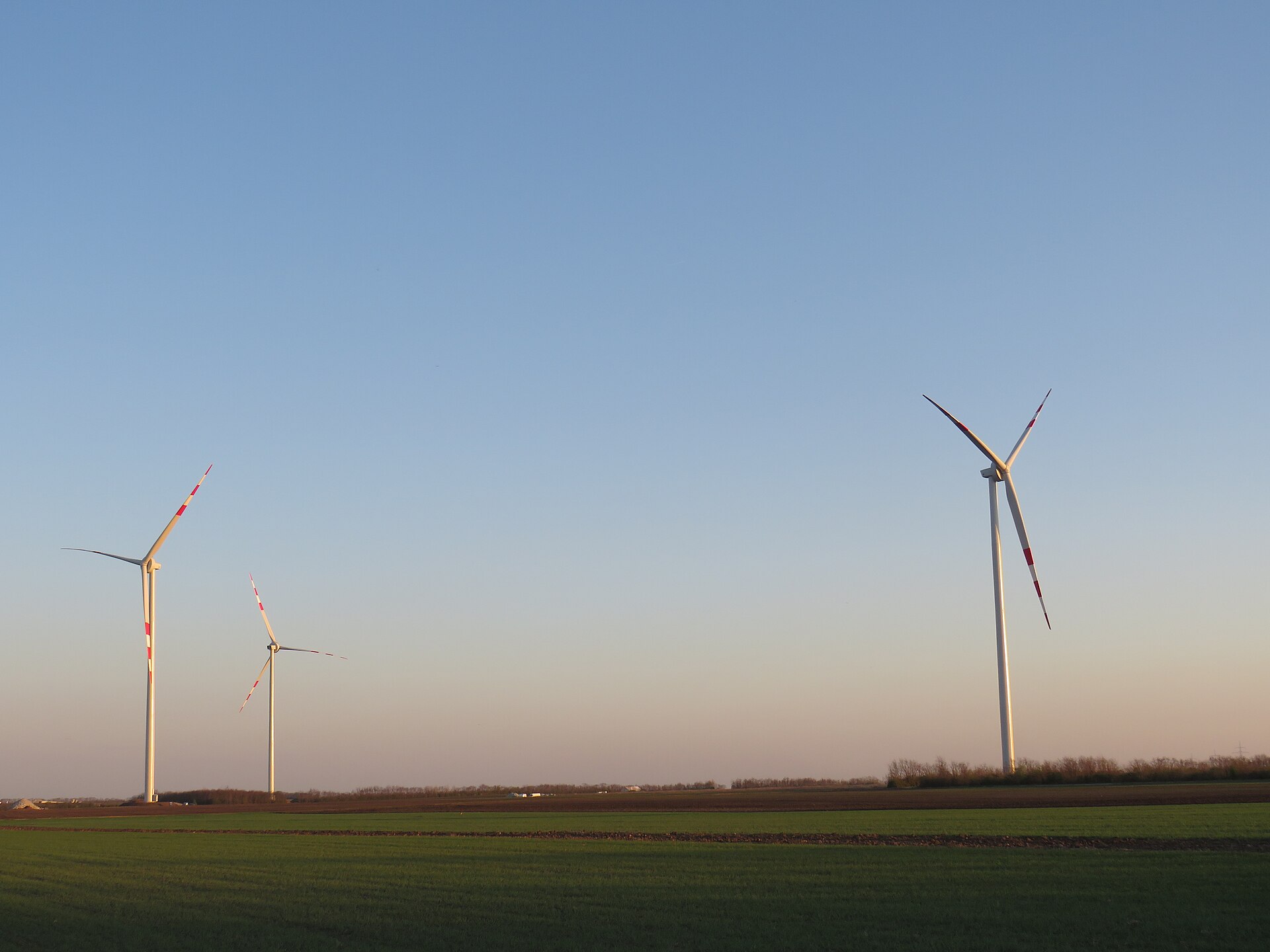
Most onshore wind foundations are designed to serve a single turbine. This article sets out what a reusable foundation has to show, and where European approval, waste law and decommissioning securities stand in the way.
More than 58,000 large dams operate worldwide, many approaching or exceeding their original design horizons. While engineering methodologies for dismantling or stabilization are well established, the governance architectures required to execute decommissioning coherently at scale remain underdeveloped.
Removal rules for onshore wind foundations differ sharply between jurisdictions. This article sets out a recovery baseline that ranks reuse above recycling, and the changes to approval and permitting needed to make it hold.