Domains
Every energy technology leaves something behind when it reaches the end of its life. What it leaves differs by domain, but the pattern is the same: end of life is left until last, when options are fewest and costs are highest. CEI works across six domains.
Domain Coverage
Every asset in the ledger belongs to one of CEI’s six initial domains: onshore wind, offshore wind, hydroelectric power, solar energy, waste-to-energy technology and electric batteries. The record works the same way in each. An asset is made up of components, each component records its materials and quantities, and every event in the asset’s life is added to its history.
What differs between domains is what the record needs to capture. In a wind turbine, the foundation and tower hold most of the concrete and steel, while the blades hold composites that are harder to recover. In a hydroelectric plant, the mass concrete of the dam dominates. In a solar array, the value lies in the glass, aluminium and silver of the modules, and in the copper of the inverters.
Onshore Wind
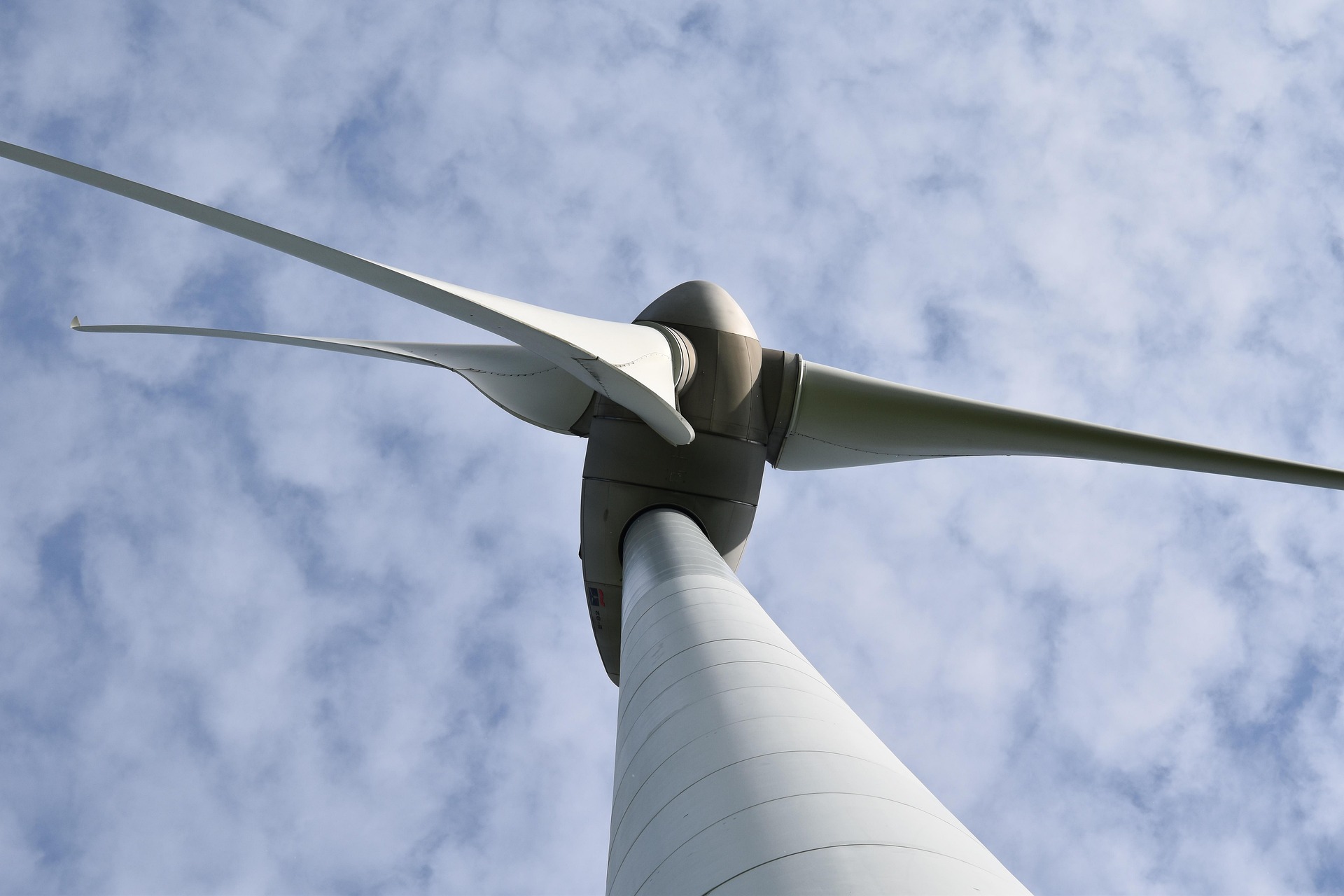
In many markets, turbine foundations are removed only near the surface at decommissioning, leaving most of the steel and concrete in the ground. Blades are made of composites that are difficult to recycle, and many end up in landfill or are used as low-grade filler. Both outcomes are settled when the turbine is designed and permitted, long before anyone plans its removal.
Offshore Wind
Removing an offshore installation is expensive and depends on weather and specialist vessels. Piles are commonly cut below the seabed, and cables and scour protection may be left in place. Floating wind adds moorings and anchors to the picture. The longer removal is deferred, the more the cost shifts to whoever owns the asset last.
Hydroelectric Power
Dams outlast the institutions that build them. Decommissioning funds are often incomplete or have lost value over time, and responsibility weakens as concessions expire and ownership changes. Sediment built up behind a dam can become a serious liability at removal. The main obstacle is keeping someone responsible over many decades, not the engineering.
Solar Energy
Solar panels are becoming a large waste stream as early installations retire. Current recycling mainly recovers glass and aluminium frames, while the silicon, silver and copper are harder to recover at a profit. Few panels carry a record of what they contain, which makes sorting and recovery harder.
Waste-to-Energy
Burning waste for energy leaves ash residues. Fly ash in particular is hazardous and has to be treated or contained. The plants themselves contain contaminated parts that complicate dismantling. As recycling rises, the supply of waste these plants rely on may shrink, so plants risk becoming stranded before their planned end of life.
Electric Batteries
Batteries outlast the commercial entities and vehicles that deploy them. Decommissioning reserves are rarely allocated, and legal responsibility weakens as project SPVs dissolve, cell makers restructure, and secondary ownership changes hands. Chemical degradation and thermal runoff risks accumulate over time into a major liability at retirement. The main obstacle is keeping someone responsible across shifting corporate lifespans over many decades, not the recycling engineering.