Insights
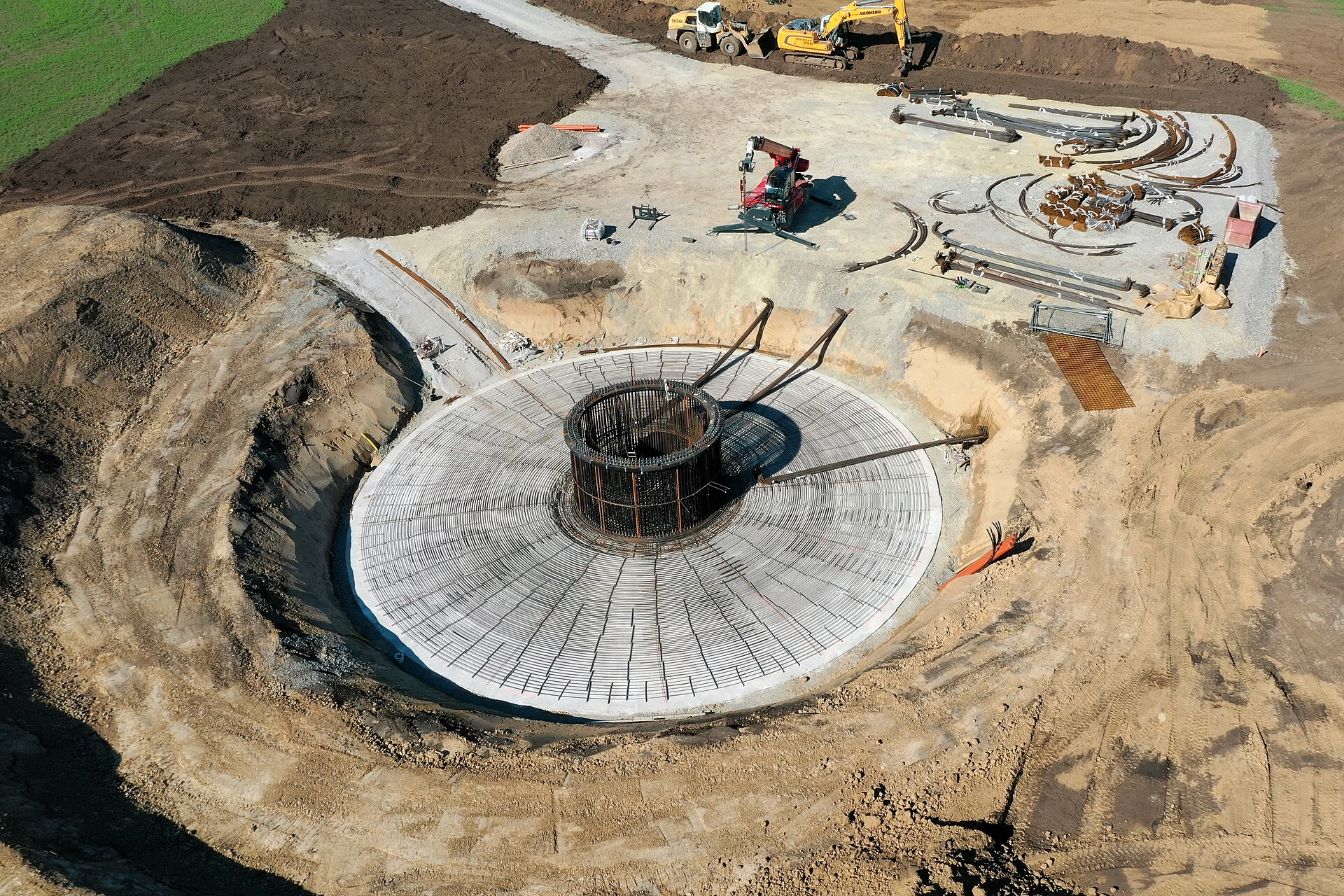
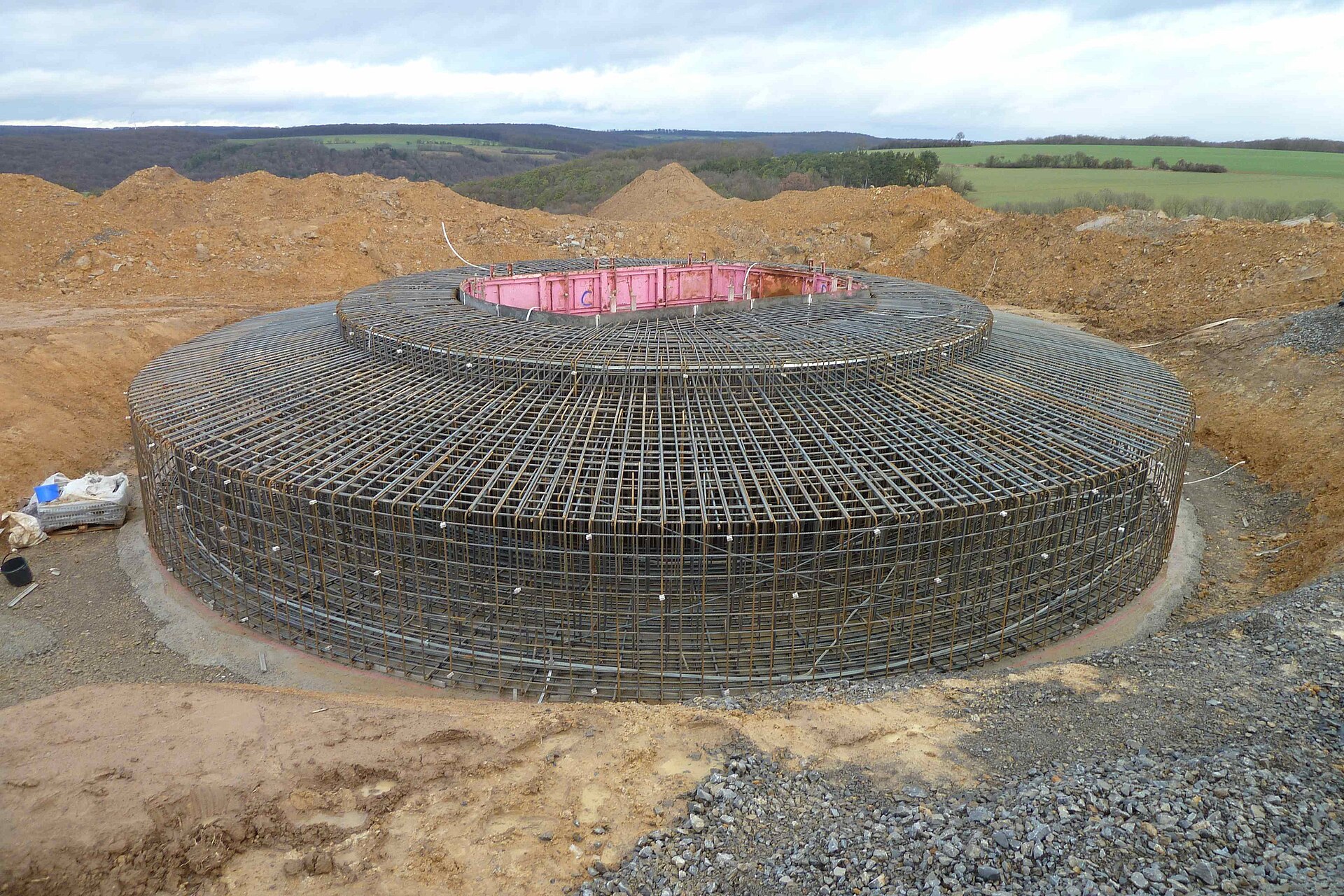
Most onshore wind foundations are designed to serve a single turbine. This article sets out what a reusable foundation has to show, and where European approval, waste law and decommissioning securities stand in the way.
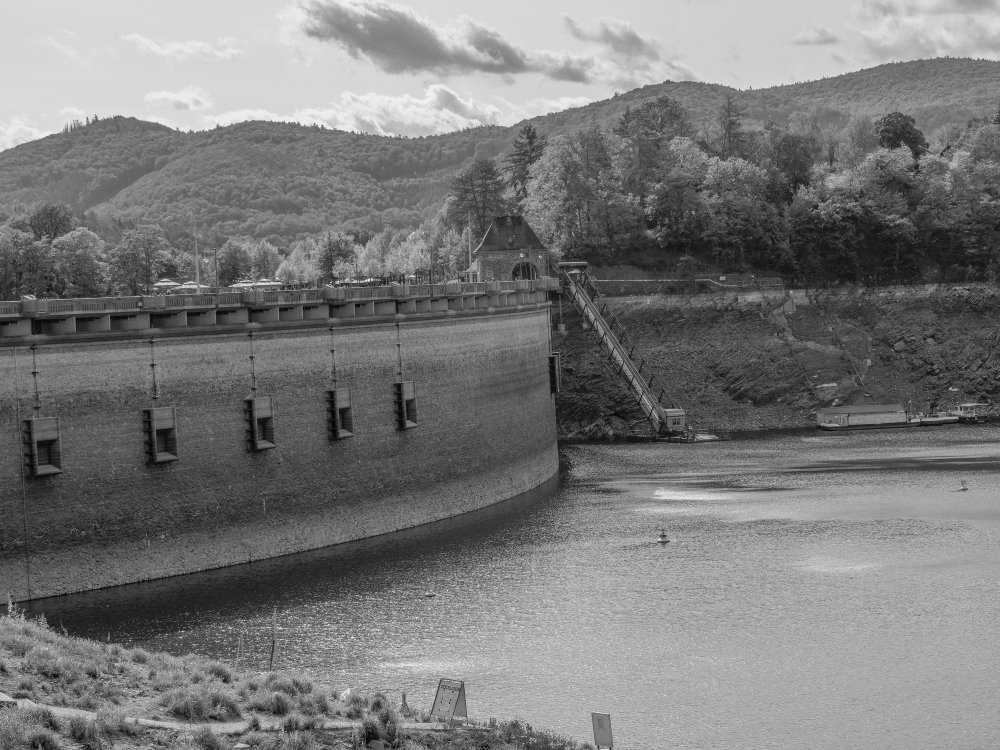
More than 58,000 large dams operate worldwide, many approaching or exceeding their original design horizons. While engineering methodologies for dismantling or stabilization are well established, the governance architectures required to execute decommissioning coherently at scale remain underdeveloped.
Removal rules for onshore wind foundations differ sharply between jurisdictions. This article sets out a recovery baseline that ranks reuse above recycling, and the changes to approval and permitting needed to make it hold.
The Circular Asset Ledger
CAL is a material-agnostic registry designed to log an asset's physical specifications, condition and location from initial deployment. It is intended to draw on third-party standards, including CCI concrete benchmarks, metallurgical profiles and critical mineral criteria, to maintain material passports throughout an asset's operating life. It is under development.
- Material Intelligence: tracking physical composition, degradation history and fatigue to simplify audit and compliance during operations
- Forward Liquidity: giving secondary markets, re-manufacturers and civil off-takers visibility of upcoming material flows decades ahead of decommissioning
- Early Off-Take Execution: letting asset owners arrange commodity sales and second-life options well before an asset reaches end of life
Connect Now
Briefings and supporting documentation are available on request.