
The Overlooked Social Responsibilities of Renewable Energy Infrastructure
Why responsible infrastructure development must consider the communities affected throughout an asset's lifecycle.
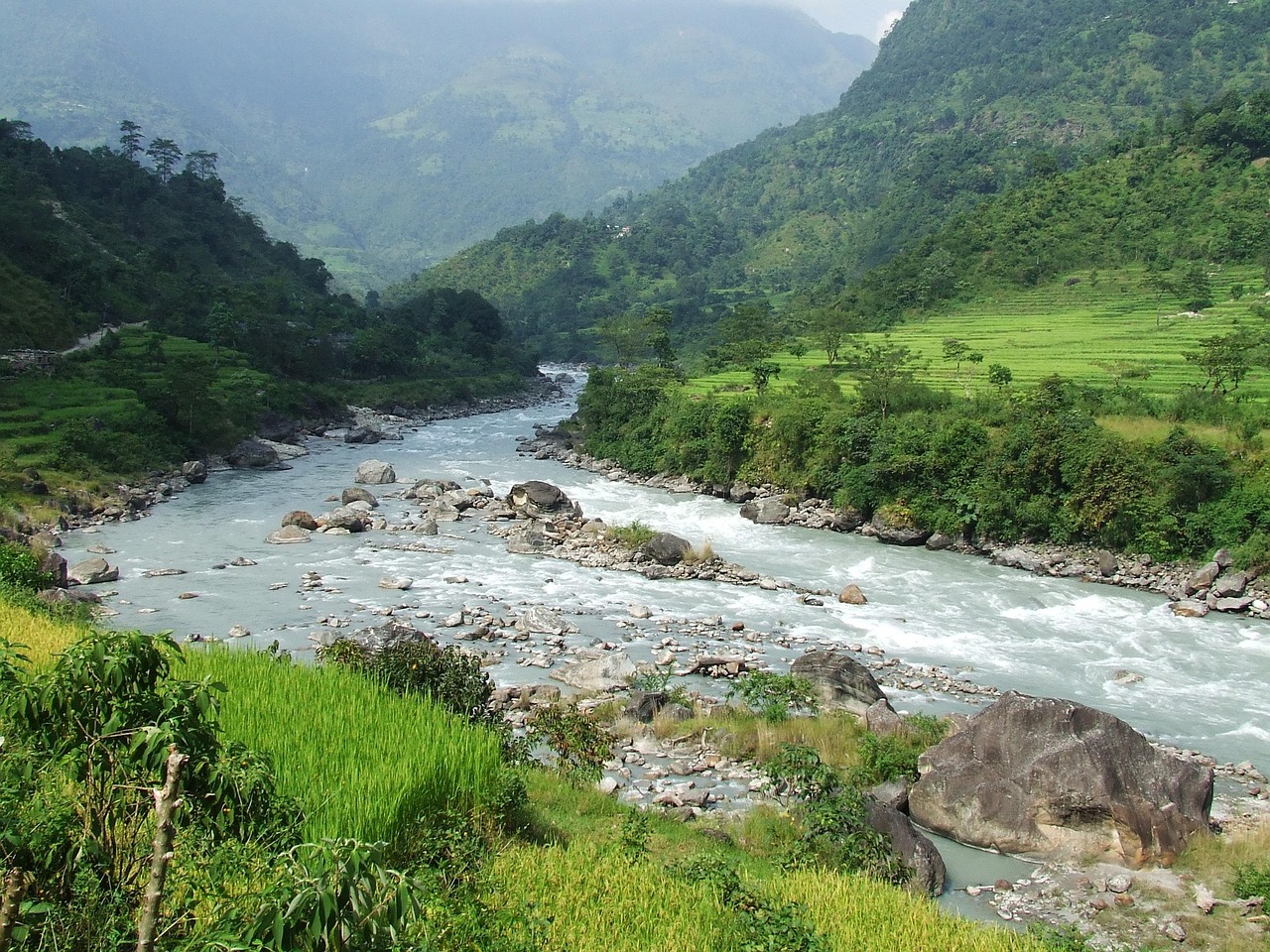
Renewable energy infrastructure is generally assessed by its generating capacity, environmental performance and economic viability. These are essential considerations, but they tell us relatively little about how an installation affects the people living around it.
A hydropower project may provide electricity for decades while fundamentally changing how surrounding communities use land and water. A solar installation may occupy land previously used for agriculture. Wind infrastructure may introduce new economic opportunities while changing access to land and the activities traditionally carried out there.
Such changes are not necessarily negative. Renewable energy development can create employment, improve infrastructure and provide communities with access to new economic opportunities. The question is how these benefits are distributed, what existing activities are affected and how the consequences are addressed.
Environmental impact assessments, compensation arrangements and community development commitments are intended to deal with these questions before construction begins. Yet many consequences only become apparent once an installation is operating, and some continue for decades.
The responsibility associated with renewable energy infrastructure extends beyond what is built. It includes what the infrastructure changes for the people around it.
What Hydropower Teaches Us About Social Responsibility
Nepal's hydropower sector illustrates how environmental and social responsibilities intersect.
Hydropower development can alter river systems far beyond the construction site. Water diverted through tunnels or channels may leave sections of a river with substantially reduced flows, affecting communities dependent on irrigation, fishing and other river-based activities.
Nepal's Hydropower Development Policy of 2001 established a minimum downstream water-release provision based on the greater of 10% of the minimum monthly average river discharge or the quantity identified through environmental assessment.
The requirement serves an environmental purpose, but its social significance is equally important. Maintaining downstream water flows can preserve agricultural production and livelihoods. Its effectiveness depends on actual conditions in the river, continued monitoring and corrective action where commitments are not met.
Land acquisition creates another set of responsibilities.
When agricultural land is acquired for hydropower development, financial compensation may address the immediate loss of property without restoring the economic activity it supported. A farming household may lose food production, income and access to resources that cannot readily be replaced through a one-time payment. Fishing and river-dependent households may face similar losses without being physically displaced.
Livelihood restoration therefore requires more than compensation. Depending on local circumstances, it may involve alternative agricultural opportunities, vocational training or support for new businesses. Its success should be measured by whether affected households regain viable livelihoods, rather than simply whether assistance was delivered.
Hydropower development can also create opportunities for surrounding communities through employment, improved roads, skills development and local investment.
Some projects establish formal benefit-sharing arrangements. Nepal's Upper Trishuli-1 Hydropower Project, for example, includes environmental and social planning provisions addressing livelihood restoration, community development and participation in project benefits.
These arrangements recognize that affected communities can share in the economic opportunities created by infrastructure development. Their value, however, depends on implementation. Employment commitments require access to relevant skills, while community investment must translate into benefits that residents can actually use.
Together, these examples illustrate why responsible development requires more than identifying impacts and establishing commitments. It requires ensuring that those commitments produce meaningful results.
From Project Commitments to Lifecycle Responsibility
Infrastructure creates a lasting relationship with surrounding communities. That relationship begins during planning, develops through construction and continues throughout operation.
Its nature may change considerably. Construction employment ends, new businesses emerge, traditional livelihoods adapt and infrastructure originally built for a project may become important to the local economy.
Social arrangements established before construction must remain relevant as these conditions change.
For example, a commitment to maintain downstream irrigation access is meaningful only if sufficient water continues to reach agricultural users. Likewise, livelihood restoration must be evaluated against the economic circumstances of affected households, which may change as local markets and employment opportunities develop.
This is where local expertise becomes particularly valuable.
Organizations working directly with affected communities can provide knowledge that engineering studies and administrative reports may not capture. They understand local livelihoods, land-use practices and the practical effects of infrastructure operations.
Their involvement can strengthen environmental monitoring, livelihood programmes and community engagement. It can also help distinguish between a commitment formally fulfilled and one that has achieved its intended outcome.
These considerations remain relevant when infrastructure is rehabilitated, modernized or eventually removed. Changes to generating capacity, water management or land use can create new consequences for communities, requiring assessments and arrangements appropriate to the intervention.
Social responsibility is therefore a continuing management responsibility, requiring attention whenever infrastructure decisions materially affect surrounding communities.
Integrating Social Responsibility Into Circular Infrastructure Management
Circularity in renewable energy infrastructure is increasingly associated with resource efficiency, extending asset life, material recovery and reducing waste.
These are essential objectives, but infrastructure also interacts with land, water, local economies and communities. Decisions concerning its development, operation and recovery can affect these wider systems.
A hydropower installation may be technically capable of operating for several additional decades following rehabilitation. Assessing that intervention should also involve understanding whether existing environmental and social arrangements remain adequate.
Similarly, recovering materials at the end of an installation's operational life may be environmentally beneficial while creating changes to local employment, land use or economic activity.
Responsible lifecycle management requires these considerations to be addressed together, drawing on the specialist expertise appropriate to each.
Circular Energy Infrastructure (CEI) promotes circularity and responsible management throughout the lifecycle of renewable energy assets.
Its approach connects infrastructure planning, material intelligence, asset-life extension and eventual recovery with arrangements for managing the associated responsibilities.
For hydropower, this means incorporating relevant environmental and social commitments into lifecycle assessments, recognizing their continued importance during operation and considering their implications when rehabilitation or recovery is planned.
The same principle applies to solar, wind and other renewable energy technologies, although their specific impacts and appropriate responses differ.
CEI can draw on local organizations experienced in environmental monitoring, livelihood restoration and community engagement to complement its technical and operational expertise.
This provides a practical means of connecting infrastructure decisions with the conditions experienced by surrounding communities, while keeping responsibilities clearly assigned to the parties best equipped to fulfil them.
A More Complete Understanding of Responsible Infrastructure
Renewable energy development is essential to more sustainable energy systems, but producing renewable electricity is only one measure of an installation's contribution.
How infrastructure is developed, how it affects surrounding communities and how those consequences are managed are equally relevant to its long-term value.
Nepal's hydropower sector illustrates why social commitments require attention beyond project approval and construction. Environmental flows, livelihood restoration and community benefit-sharing must be implemented and evaluated throughout operation.
For CEI, this reinforces a broader principle: circularity and responsible infrastructure management belong throughout the asset lifecycle, from initial planning to eventual recovery.
An infrastructure project should be judged not only by what it produces, but also by what it changes – and how responsibly those changes are managed.
Explore Circular Energy Infrastructure's Asset Lifecycle approach.