
New Standard Proposal Sets Out Requirements for End-of-Life Financial Assurance
A new cross-domain protocol proposal sets out how the money for the end of an energy asset’s life is sized, held, released and transferred, so that the obligation outlasts any single company.
A new standard proposal published through the Unified Governance Systems Organization (UGSO) on 29 September 2026 addresses a question every energy asset eventually raises: who pays for its removal, and whether that money will still exist when it is needed. UGA-0000404009, End-of-Life Financial Assurance and Obligation Continuity, is proposed as a protocol directly under the Energy and Infrastructure Continuity standard, for application across every energy domain. Its status on the UGSO portal is Final Draft.
The proposed protocol requires the financial provision to be sized to the full cost of removal, recovery and restoration, estimated independently of the asset owner. It is reviewed at least every five years and indexed to costs in between. Expected scrap value cannot reduce it unless that value is secured by contract, and the provision has to be in place, or accumulating on a schedule that reaches full value, well before the asset’s expected end of life.
The provision and the asset’s record have to be held beyond the reach of any party’s insolvency, including the operator of any registry that keeps the record. A steward is named in advance, with the right to step in if the owner fails, and the money is released only against audited results on the ground, never by the passing of time. When an asset is sold, the obligation, the money and the record pass to the buyer together, and the seller’s provision is released only once the buyer’s is in place.
The protocol also requires the obligation and its provision to be disclosed to lenders, insurers and the competent authority, so that the cost of an asset’s end of life can be priced rather than treated as an unknown.
It complements the wind foundation and decommissioning standards updated on 28 September, which define the work to be done at the end of an asset’s life. This protocol defines how that work is paid for, and how the obligation stays enforceable until it is done.
Circular Energy Infrastructure applies the UGA standards in its work on the end-of-life recovery of energy infrastructure.
Read UGA-0000404009 on standards.ugso.org →
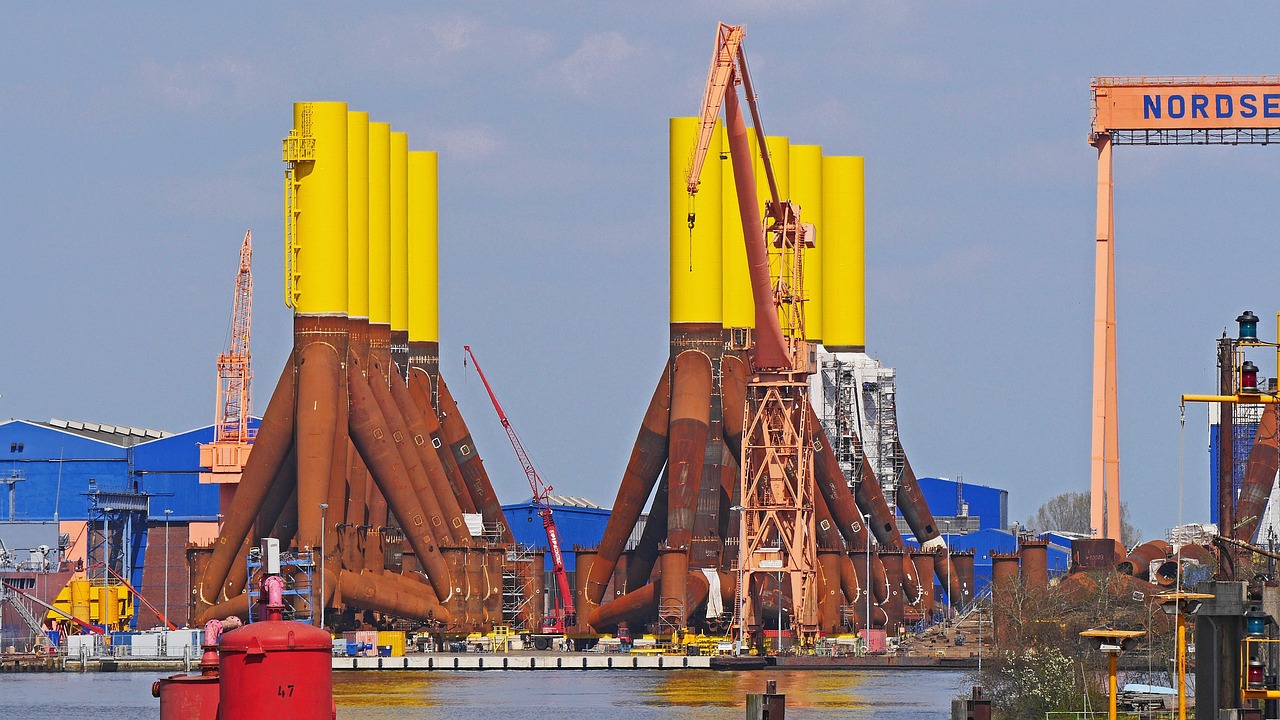
Image: dismantling a wind turbine in Hellschen-Heringsand-Unterschaar, Schleswig-Holstein, Germany. Photo: Dirk Ingo Franke, CC BY-SA 2.0, via Wikimedia Commons.
